UNPOSED ETHOS
On truth, people and time.
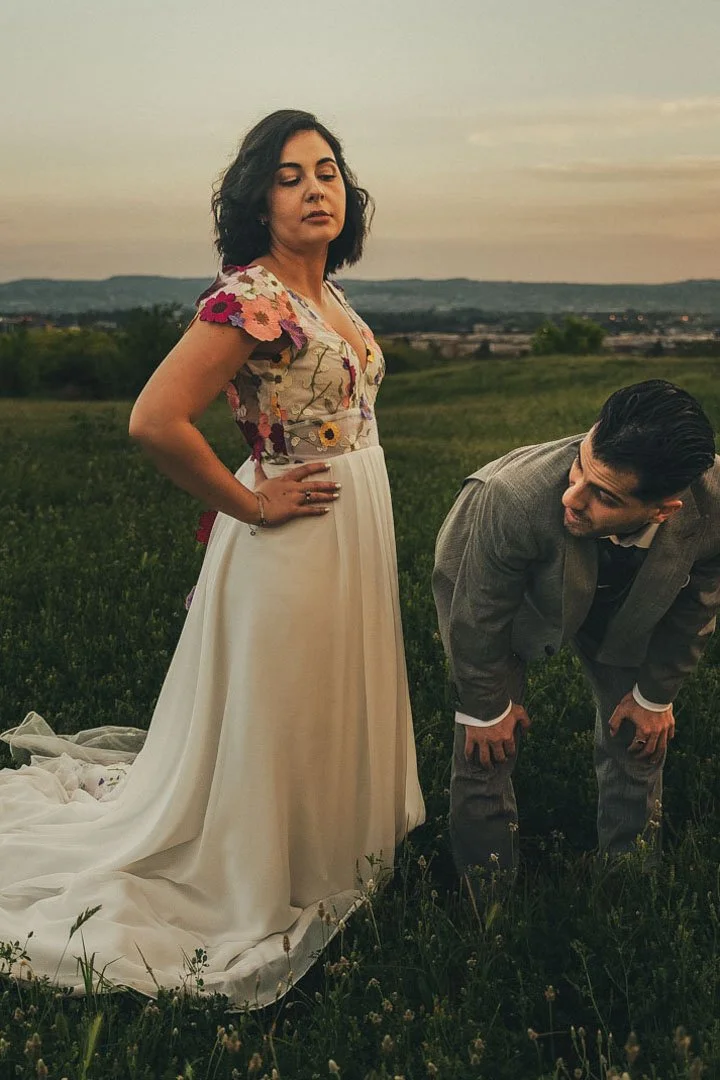
The image we want to show
We live in a world filled with images. We take photographs, we are photographed, we choose what to show and what to keep to ourselves. We have learned to recognise our best angles, control our expressions and correct what we consider imperfections. We know how we want to look and, quite often, we have already decided what a moment should look like before we have even lived it.
I often wonder how close the image we present to others is to who we really are.
We want to be loved for who we are, yet we struggle to show ourselves without the small and sometimes significant adjustments we have learned to make. We fear awkwardness, imperfection, the possibility of not looking beautiful enough, interesting enough, happy enough.
I don't believe this is always vanity. Often, it is simply our need to be accepted.
And so, little by little, the image stops being a way of expressing ourselves and becomes a way of protecting ourselves. We begin to present not so much what we are experiencing, but what we would like others to believe we are experiencing.
This is something that deeply concerns me in photography. I am interested in the person behind the image. Not the image they have prepared to represent them.
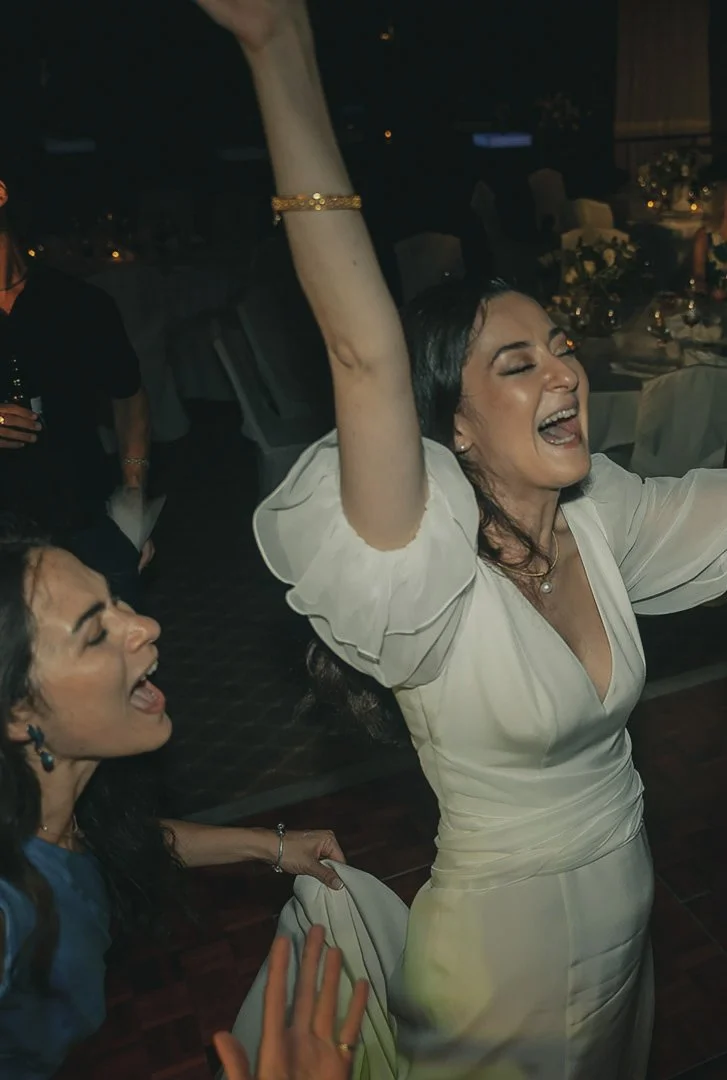
The beautiful lie
A photograph can be striking, technically accomplished, aesthetically flawless and, at the same time, have no meaningful connection to what actually happened.
It can show two people looking at each other in a way they never did. A laugh that was requested. An embrace that was repeated. A moment created exclusively to exist as an image.
I don't question the beauty of such a photograph. I question its relationship with reality.
We have come to associate beauty with perfection. With the right light, the ideal expression, the perfect timing, the image that leaves nothing to chance. But life doesn't work that way. It isn't always orderly, symmetrical or flattering. It doesn't know when it's being watched, and it doesn't adjust itself to meet our expectations.
I don't want to create a better version of reality. I don't want to replace what happened with what could have happened.
For me, photography has value when it maintains an honest relationship with the moment it records.
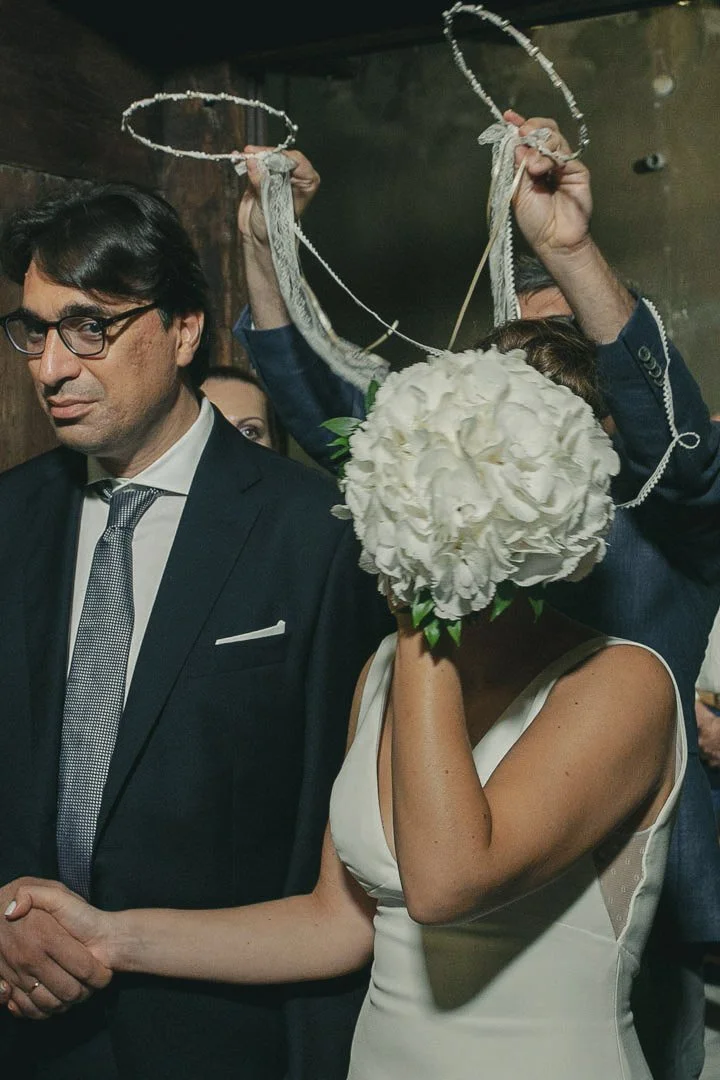
Life is not a photoshoot
I don't believe life needs to be organised around its photographic documentation.
People don't need to know how to stand, where to look or what to do with their hands. They don't need to control their expressions, repeat a moment or pretend to be something else simply because I'm standing in front of them with a camera.
I don't direct. I don't stage moments, ask for repetitions, guide glances or manufacture emotions. I don't interrupt what is happening to create something I consider photographically better.
I observe, I wait and I follow what unfolds.
Documentary photography requires more than simply being in the right place with a camera. It demands attention, patience, awareness and an understanding of people. It means recognising relationships, distances, subtle gestures and all the things that happen without asking for anyone's attention.
It also means accepting that I cannot control everything. That I might miss a photograph, fail to find the ideal angle or not have the perfect light.
I don't want to decide how your story should unfold. I don't want to take control of your day or turn the people around you into part of a photographic production.
My job is to document what actually happens, without changing it for the sake of the image.
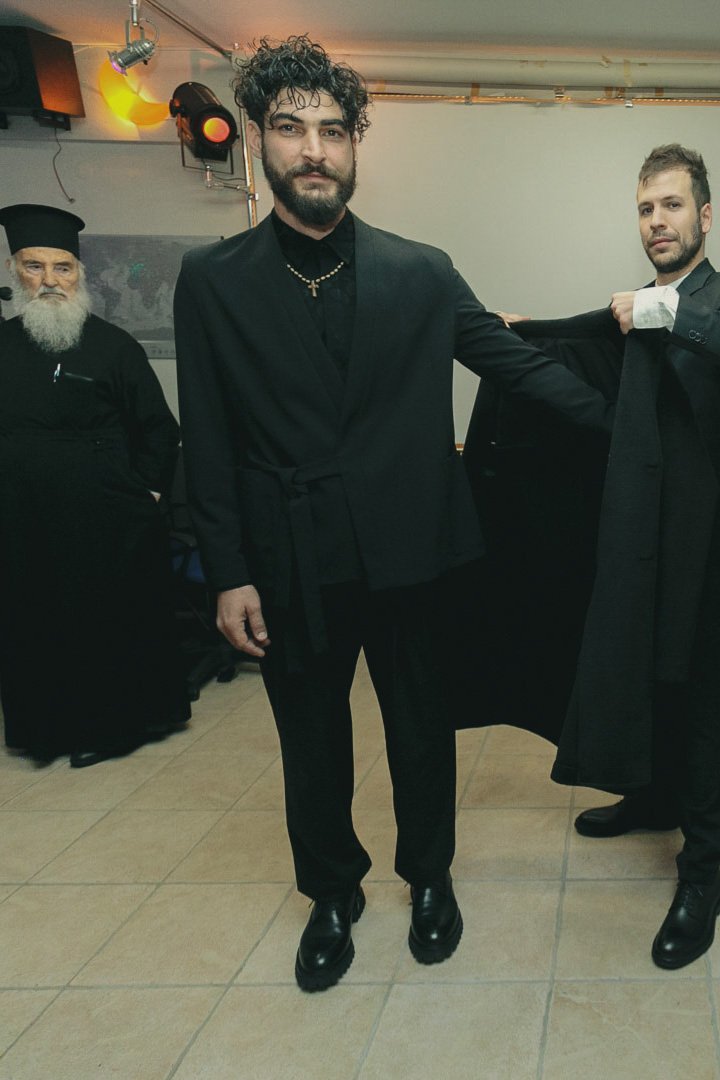
The value of the ordinary
We have learned to expect our lives to be extraordinary. To expect important things to happen, impressive moments to unfold, stories worth telling.
But most of life isn't made up of such moments.
It is made up of everyday habits, small gestures, people sharing the same space without doing anything particularly remarkable. A hand resting on someone's shoulder, a glance exchanged for a moment, someone quietly watching everyone else.
It is made up of our little quirks, our awkward reactions, our disagreements, our reconciliations and all those things we would never think to ask someone to photograph.
You don't have to be different to be worth remembering.
Your life doesn't need to impress anyone. It doesn't have to be perfect, spectacular or extraordinary. You don't need to prove that you have experienced something remarkable.
Your life, just as it is, is enough.
I don't romanticise imperfection. I don't believe that every spontaneous moment is beautiful or that every documentary photograph is a good photograph. I don't seek imperfection as an aesthetic choice. I seek the freedom not to impose an image of how life should look.
A wrinkled dress, a tearful face, an unflattering moment or an untidy room are not problems that need correcting. They are part of what happened.
And quite often, what seems insignificant today is exactly what we will miss the most tomorrow.
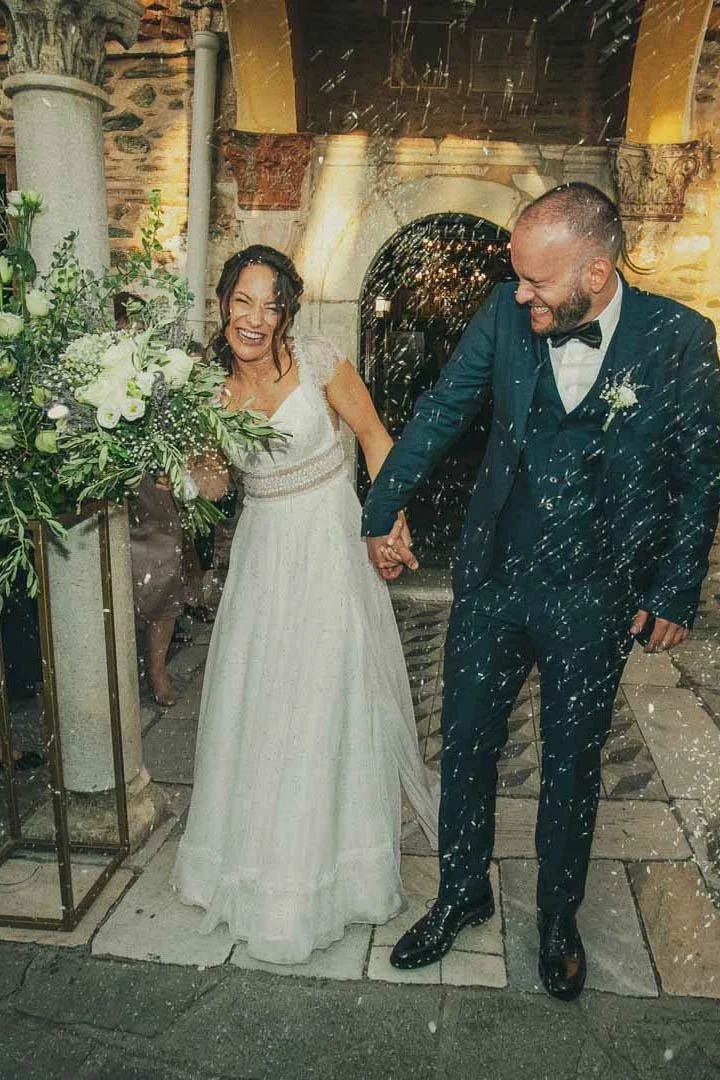
Photography and time
A photograph takes on a different meaning as time passes.
Today, you might look at an image and see a dress, a face, a place. Twenty years from now, you might see someone who is no longer close to you, a home that no longer exists, a relationship that has changed, yourself as you were before everything that followed.
And then, you might notice things you had never seen before.
Someone's face in the background. The way a person looked at you, someone who is no longer in your life. A small gesture, an expression, a detail that meant nothing in particular at the time.
Perhaps you will recognise something you had forgotten. Perhaps you will discover something you never knew was there.
Photography cannot stop time. It cannot preserve people as they were, bring back what has been lost or keep relationships unchanged. But it can bring us face to face with something that might otherwise have disappeared from our memory.
One day, a photograph might become the only place where you can meet someone again. It might remind you not only of what they looked like, but of what it felt like to be close to them.
This is why I am interested in photography beyond its first impression. I am not concerned only with whether an image will appeal today or stand out among hundreds of others.
I care whether it will still mean something when everything it depicts has become the past.
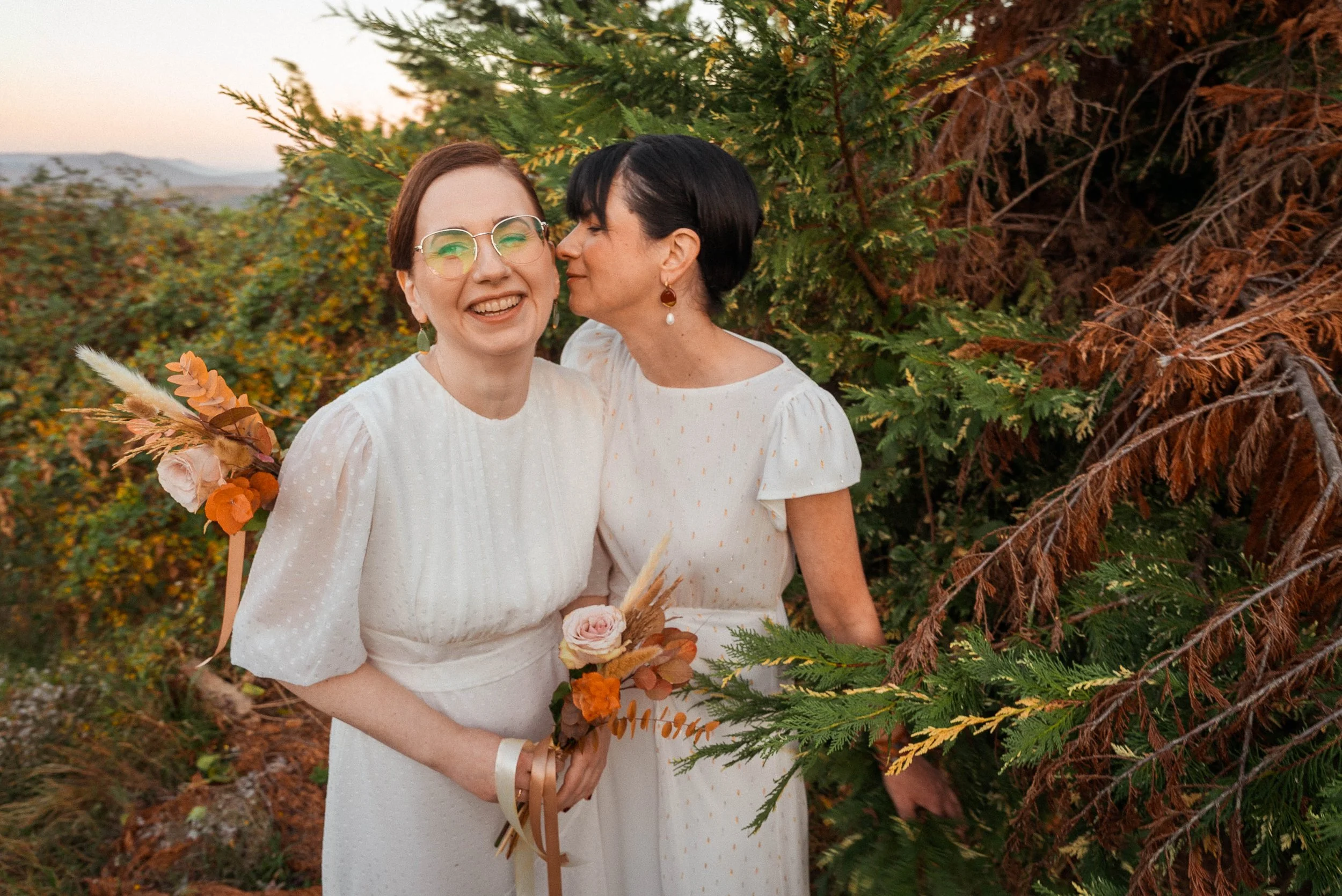
Where I stand
I have no desire to make life look different from what it is.
I don't want to embellish it, organise it or reshape it to fit the expectations of a photograph. I don't want to decide how you should stand, how you should feel or what you should remember.
I want to leave people free to exist as they are.
For me, photography is an act of observation and respect. It is the choice to stand before people without asking them to become something else. To recognise the value of what is happening, even when it isn't impressive, even when it isn't perfect, even when no one realises its significance at that moment.
I don't photograph what I would like you to remember.
I photograph what happened. The people who were there. Their relationships. The small details of a life that keeps moving and changing, often without us even noticing.
You don't have to be different to be worth remembering. You don't have to pretend to be something else to exist in a photograph.
I don't want to show you what your life could have looked like. I want to give you something back from the life you actually lived.
This is Unposed.